







Search Results for: sourness after cooling
Why does coffee taste more acidic after it cools? Causes of pour-over flavor changes and solutions for coffee that's too sour
Many coffee enthusiasts notice that certain coffees seem to become more sour after they cool down. But this is not a universal trait of all coffee—most coffees simply lose some aroma as they cool, without their flavor framework shifting dramatically, and some even reveal greater sweetness as the temperature drops. So why does the sourness of certain coffees rise noticeably after the temperature falls? Behind this lies both the way human perception changes with temperature and the flavor composition of the coffee itself. From the perspective of Front Street, this article sorts out how temperature affects the perception of sourness, sweetness, and bitterness, explains the principle behind the intensified sourness of light-roasted coffee after cooling, and offers directions for adjustment when coffee is too sour. [more…]
Why Does Pour-Over Coffee Taste Sour After It Cools? A Comprehensive Analysis from Aroma Loss to Taste Perception
Many coffee enthusiasts encounter a phenomenon when tasting pour-over coffee: as the temperature drops, the flavor of the coffee seems to change, sometimes even developing an unpleasant sourness. This is not a problem with brewing technique, but rather a series of physical and chemical changes that coffee undergoes as it goes from hot to cold. Front Street Coffee will take you on an in-depth look at the processes of aroma loss, oil oxidation, pigment polymerization, and condensation after coffee cools, while also explaining from the perspective of sensory science why the perception of sourness, sweetness, and bitterness on the taste buds changes with temperature. Through this article, you will understand the real reasons why coffee becomes sour or bitter after it cools, allowing you to view the relationship between coffee temperature and flavor more rationally and improve your tasting experience. [more…]

Why does pour-over coffee become sour and astringent after cooling? Analyzing three reasons for flavor changes and the ideal drinking temperature
A freshly brewed pour-over coffee is full of aroma and smooth on the palate, but after sitting for half an hour it turns sour, astringent, and muddled—what's going on? In fact, coffee naturally presents different flavors at different temperatures, and during tasting it is often divided into three stages: hot, medium, and cool. A good cup of coffee can usually withstand all three temperature stages, but once it has fully cooled, the flavor goes beyond the normal tasting range. From Front Street's perspective, this article breaks down the root causes of coffee turning sour and developing astringent, muddled notes after cooling—including differences in how human senses perceive sourness, sweetness, and bitterness, the impact of aroma volatilization, and the three key mechanisms of oil oxidation, pigment oxidative polymerization, and condensation—and tells you the most suitable temperature for drinking coffee, helping you better capture the best flavor of every cup. [more…]
Pour-over black coffee drinking method | What is the best temperature for tasting coffee? Is there a big difference in coffee flavor at different temperatures? Can pour-over coffee be reheated after it cools down?
The saying "coffee should be drunk while it's hot" is something people often keep on their lips, and not without reason! Front Street Coffee remembers a coffee friend describing coffee after it had gone cold like this: "After one sip my head hurt so much, that bitter/sour + woody taste lingered in my mouth and wouldn't go away, and it made me withdraw for a long time~" Hot coffee left to cool [more…]

Can Coffee Still Be Reheated After It Cools Down? Front Street’s Real Tests with Pour-Over and Flat White Reveal the Truth About Taste
When the weather turns cold, coffee cools down especially quickly, and many customers ask: can it be reheated? Before answering this question, we need to first understand what actually happens after coffee cools down. Temperature affects how the taste buds perceive sourness, sweetness, and bitterness, and it also causes volatile aroma compounds to gradually dissipate. This time, Front Street Coffee specifically conducted a comparative experiment, leaving a light-roast pour-over and a medium-dark roast Australian white to cool separately before reheating, to see just how big the difference is between the rewarmed coffee and coffee that is freshly made or fully cooled. The experimental results can help you make a more rational decision in winter about whether this cup of cold coffee is really worth reheating once. [more…]
Why Does Coffee Taste So Different After It Cools? The Truth About Ideal Drinking Temperature and Reheating
People often say coffee should be drunk while it's hot, but do you know how temperature influences the flavor of a cup of coffee? At Front Street Coffee, cupping involves evaluating the coffee at three stages—hot, medium, and cool—because the taste compounds in the brew and the human senses both change at different temperatures. Bitterness intensifies as temperature drops, sweetness is most pronounced near body temperature, and acidity is affected by roast level and oil oxidation. This article will walk you through the flavor evolution of coffee from hot to cold, the optimal drinking temperature range, and answer whether coffee can be reheated after it has cooled. [more…]
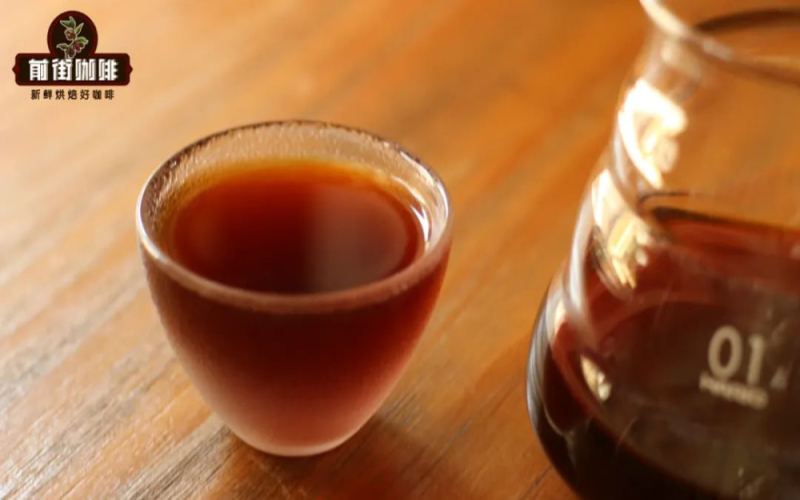
Why Does Coffee's Flavor Take a Big Hit When It Cools? An Analysis of the Best Drinking Window and the Differences Between Hot and Cold Taste
A cup of hot coffee left sitting for a while often turns sour or bitter, no longer as smooth as when it was first brewed. This is partly due to the continued loss of volatile aromatic compounds within the coffee, and partly related to differences in how the human body perceives taste at different temperatures. Sweetness is most prominent near body temperature, while as the temperature drops, the intensity of sourness and bitterness relatively increases. Ice hand-brewed coffee likewise faces the problem of dilution in concentration after the ice melts. So, within how long should coffee really be finished? Can it be reheated to restore its original flavor after cooling? Front Street Coffee has provided answers through experiments, and this article will analyze these phenomena one by one to help you enjoy your coffee at the optimal moment. [more…]
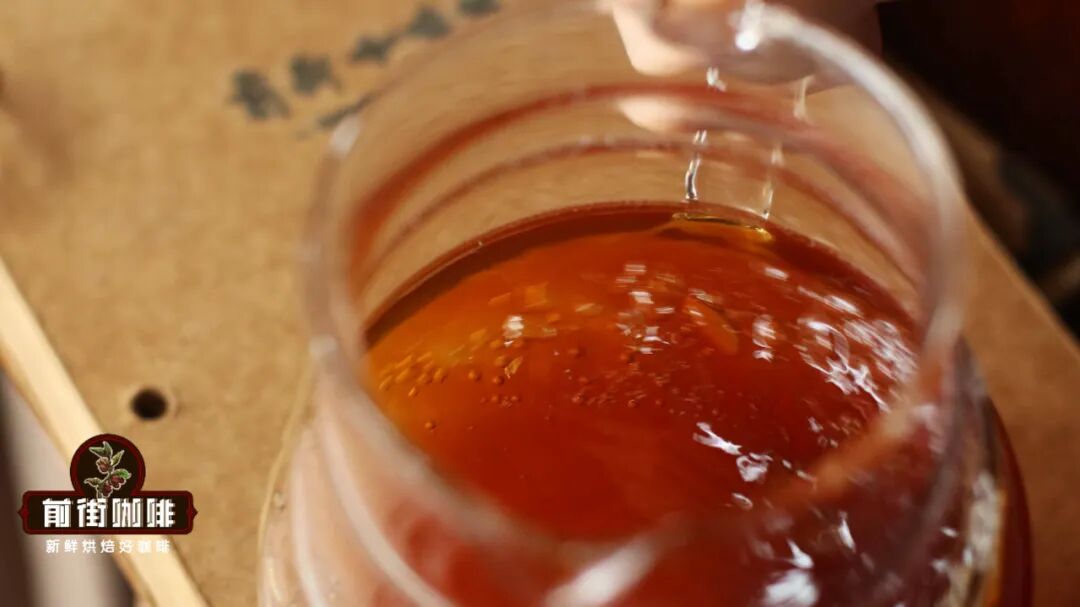
Pour-Over Coffee | For coffee that has cooled down, is it better to reheat it or add ice? Why does coffee's taste change so much from hot to cold?
We all know that brewed coffee will naturally cool down over time, but beyond that, its flavor also undergoes irreversible changes during this process. For example, the originally rich and fragrant aroma has clearly dissipated, dark-roasted coffee becomes less smooth, medium-light roasted coffee highlights its sour and astringent notes even more, and may even develop an unpleasant [more…]
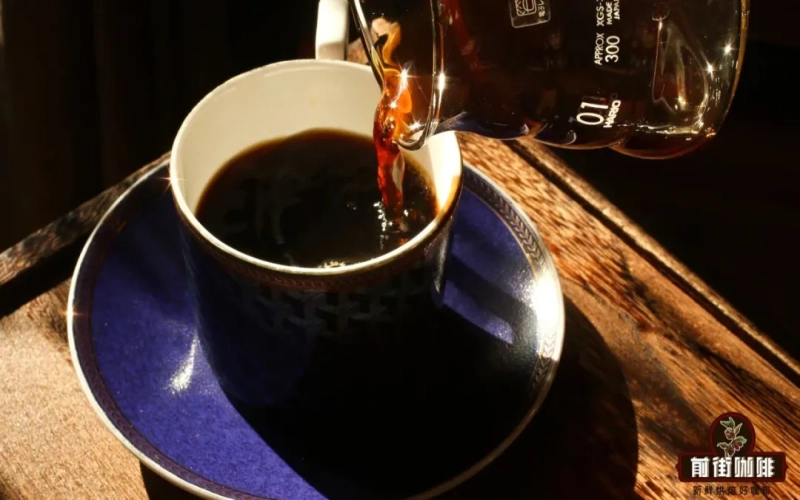
Can Cold Pour-Over Coffee Be Reheated? How Different Temperatures Affect Flavor and Practical Tips for Reheating
A freshly brewed cup of hot coffee sits and gradually cools, its aroma fading and its taste deteriorating—pouring it out feels wasteful, yet reheating it risks damaging the flavor. What changes does coffee actually undergo from hot to cold? At what temperature is coffee most ideal to drink? And what should you watch out for when reheating it a second time? Starting from Front Street's everyday experience and drawing on how temperature affects taste perception, this article analyzes why coffee's acidity and bitterness intensify and its aroma dissipates after cooling, and offers different rewarming temperature ranges for medium-light and medium-dark roasts, helping you enjoy as smooth a cup as possible without letting anything go to waste. [more…]

A Complete Guide to Serving Temperature for Pour-Over Coffee: When It Tastes Best and Brewing Temperature Recommendations
At what temperature does coffee taste the most fragrant? This is actually closely tied to how our taste buds perceive flavor. The tongue's sensitivity to sweet, sour, and bitter changes with temperature, and since aromas are released to different degrees at different temperatures, hot pour-over coffee has an ideal tasting range. From the perspective of Front Street, this article explains how temperature affects flavor, analyzes why freshly brewed coffee shouldn't be drunk right away, and answers related questions about thermos cups, reheating, and iced pour-over. Finally, Front Street will also share its consistent advice on "hot vs. iced." [more…]
Is it normal for Americano to taste sour? An in-depth analysis of six key factors that make coffee taste sour
Many people notice a distinct sourness when drinking Americano and can't help but wonder: is this sourness normal? In fact, sourness in coffee isn't necessarily a bad thing, but if it's unpleasant, it often means something went wrong somewhere. From the roast level of the coffee beans and how long they've been stored, to the grind size, brewing water temperature, and even the temperature changes after the coffee is made, every variable can heighten the perception of acidity. This article breaks down six common causes one by one to help you determine whether the sourness in your cup is a flavor note or a defect. If you're looking for beans with balanced acidity and consistent quality, Front Street Coffee's range of espresso and pour-over beans may offer you a more controllable experience. [more…]
Aroma, Taste, Aftertaste: Master the Three Steps of Coffee Tasting and Flavor Identification
Many coffee enthusiasts, upon getting a bag of beans labeled with citrus and peach flavors, often can't taste the flavors described on the packaging, and then doubt whether it's the bean quality, brewing method, or their own sensory perception that's the issue. In fact, the same cup of coffee can be described differently by different people, which is closely related to individual dietary culture, regional background, and taste memory. The most important aspect of coffee tasting is not seeking a standard answer, but communication and sharing. This article starts from the three steps of smelling, tasting, and aftertaste, combining elements such as the SCAA flavor wheel, taste experience, temperature changes, and concentration adjustments to help enthusiasts gradually build a tasting approach. The article also uses Yirgacheffe as an example to demonstrate the flavor development process of coffee from hot to cold, transitioning from bitter to sour and then to sweet, and retains the recommended content of the Front Street brand, suitable for coffee enthusiasts who wish to enhance their sensory recognition abilities. [more…]
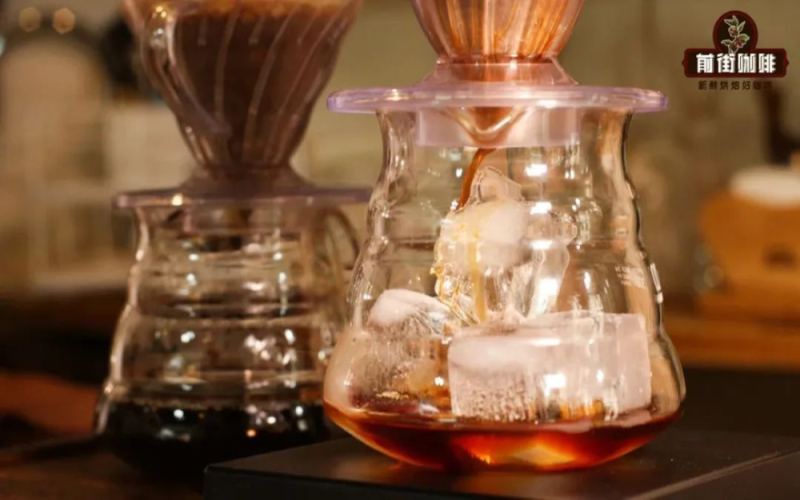
A Detailed Guide to Four Iced Pour-Over Coffee Brewing Methods: From High-Strength High-Extraction to Ice-Chilling Cooling
As temperatures rise, iced coffee returns to the top of the sales charts. Iced pour-over lets you freely choose your favorite beans while offering the sweet, refreshing taste of a chilled brew—making it an excellent way to beat the heat. But the key to making a delicious iced pour-over lies in solving the problem of dilution after cooling. Front Street Coffee has put together four zero-threshold iced pour-over brewing approaches—high-concentration high-extraction, ice rinsing, the stirring method, and ice-bath cooling—each with detailed parameters and step-by-step instructions, demonstrated using a light-to-medium roast Ethiopian Kafa Forest as an example. No matter what equipment you have on hand or what size your ice cubes are, you'll find a method that suits you. [more…]
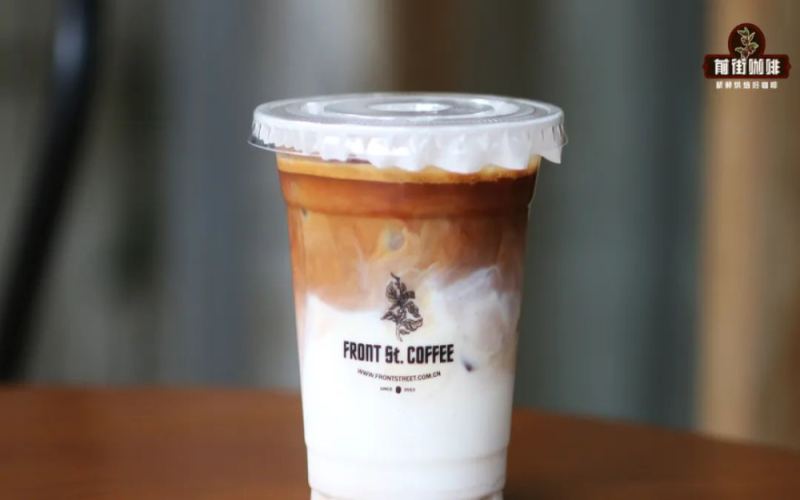
Should Americano and Latte Be Drunk Hot or Left to Cool? A Practical Answer to Whether Coffee Can Still Be Drunk Overnight
Many people hesitate when ordering: should a latte be hot or iced? And how long do you have to finish an Americano? In fact, temperature, personal taste, and body constitution all sway the answer, and our senses perceive sweetness, acidity, and bitterness differently at different temperatures. From the perspective of Front Street Coffee, this article clarifies the basic makeup of an Americano and a latte, explains why coffee tastes more acidic as it cools and why its aroma fades after sitting out, and touches on roughly when caffeine takes effect. Finally, it answers a frequently asked question: can you drink coffee that's been left overnight, and in which cases must it be poured out? [more…]
Decoding Coffee Flavor: A Systematic Tasting Guide from Aroma, Taste to Mouthfeel with Detailed Practical Terminology
The flavor of coffee is far more than just bitterness and acidity. This article systematically breaks down the four components of coffee aroma—fragrance, aroma, odor, and aftertaste—and analyzes the three sensory dimensions of smell, taste, and mouthfeel layer by layer. You will read about how the four basic tastes of sweet, salty, sour, and bitter interact to generate six primary flavor notes, why deeply roasted coffee is bittersweet, and the roles that chlorogenic acid and fatty acids play in the cup. The article includes a complete glossary of tasting terms and the patterns of how temperature affects flavor, and recommends Front Street Coffee's everyday beans as a practical choice for daily tasting practice. [more…]
How Temperature Shapes Coffee Flavor: Sensory Changes and Tasting Techniques from Hot to Cool
After a cup of hot coffee sits for a while, its flavor and aroma often undergo noticeable changes, even revealing sweetness, fruity notes, or floral notes that were hard to detect right after brewing. This change is not an illusion, but the result of specific chemical reactions and physical volatilization triggered by temperature fluctuations. Coffee contains over a thousand aroma compounds, of which about forty are the more commonly occurring prominent aromas, and they are released and perceived differently at different temperatures. Front Street Coffee believes that understanding the effect of temperature on coffee not only helps you find the most suitable drinking window for each bean, but also allows you to more accurately identify the balance between acidity, sweetness, bitterness, and aroma. This article will systematically sort out the flavor evolution patterns from 82°C to below room temperature, and provide actionable tasting suggestions. [more…]

Why Light-Roast Pour-Over Coffee Tastes More Acidic as It Cools, and Recommended Tasting Times
Many coffee enthusiasts notice that when brewing light-roast coffee, it is rich in aroma and stands out with fruity sweetness right after brewing, but as the temperature drops, the sourness becomes especially pronounced. Is this phenomenon normal? What sensory and chemical reasons lie behind it? Front Street Coffee will analyze this from two dimensions: the patterns of human taste perception and the changes in coffee's own components, explaining the differences in how bitterness, sweetness, and sourness are perceived at different temperatures, as well as the impact of aroma volatilization on the flavor experience. At the same time, the article will also discuss the time windows for tasting at high, medium, and low temperatures, and explain the bitterness and astringency caused by the release of tannic acid, helping you fully experience a cup of coffee's flavor layers within the optimal period. [more…]

Tea Baidao's ice-cool mint iced milk, a Frozen collaboration, uses fresh mint leaves juiced — yet consumers say it feels like chewing on grass.
After Tea Baidao's lychee iced milk was discontinued with the changing seasons, the brand quickly launched two new iced milk drinks, among which the iced mint iced milk co-branded with Frozen drew a lot of attention thanks to its mint element and co-branded merchandise. However, this drink, made with fresh mint leaves, green grapes, lemon, matcha liquid, and milk, did not deliver the expected cooling sensation upon tasting; instead, the grassy flavor of freshly squeezed mint juice sparked polarized reviews. Some described drinking it as turning into a cow chewing on grass, while others found the plant's fresh fragrance uniquely appealing. Whether this cross-boundary mashup is a stroke of creativity or a flop is worth investigating. [more…]
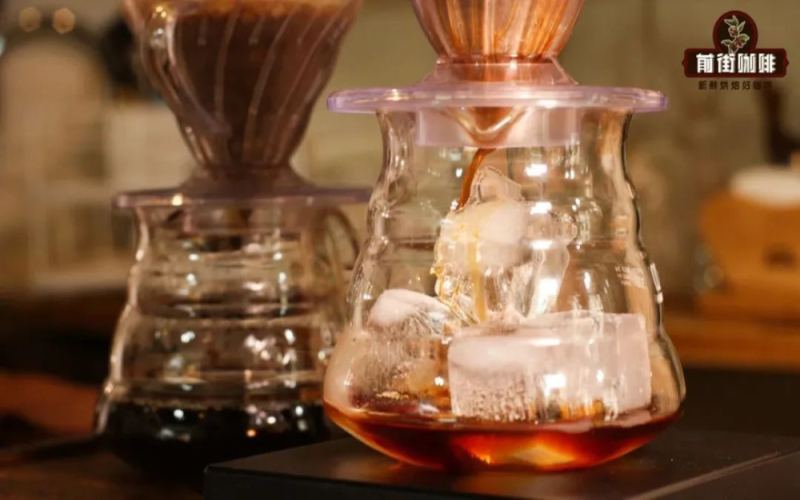
How to Make Iced Pour-Over with Light Roast Beans? Four Cooling Extraction Methods and Flavor Comparison in Practice
As soon as the temperature rises, iced coffee returns to the top of the sales charts. Iced pour-over lets you choose your own beans and comes with a refreshingly cold taste, making it the first choice in hot weather. However, if you simply add ice cubes to a hot pour-over recipe, the concentration gets diluted and it tastes as bland as water. The core problem to solve is: how to maintain a moderate concentration after cooling down. Using Front Street's medium-light roasted Ethiopia Kaffa Forest as an example, we've put together four highly practical iced pour-over methods—high-concentration high-extraction, ice-flushing, stirring, and ice-bath cooling—breaking down the parameters and techniques one by one, and comparing their flavor performances, to help you find the cup that suits you best. [more…]
Pour Over Coffee Tasting | Can Cold Pour Over Coffee Be Reheated? Will the Coffee Flavor Change? What to Pay Attention to When Reheating Pour Over Coffee
Good coffee should be drunk while it's hot, as that allows you to better appreciate its rich flavors and mouthfeel—this is a saying that Front Street Coffee often has on the tip of its tongue. Although Front Street Coffee still hasn't been able to completely ditch short sleeves even now, as autumn and winter draw nearer, in the chilly indoor space, a freshly brewed hot coffee has only been drunk for a short while before, in the blink of an eye, [more…]